


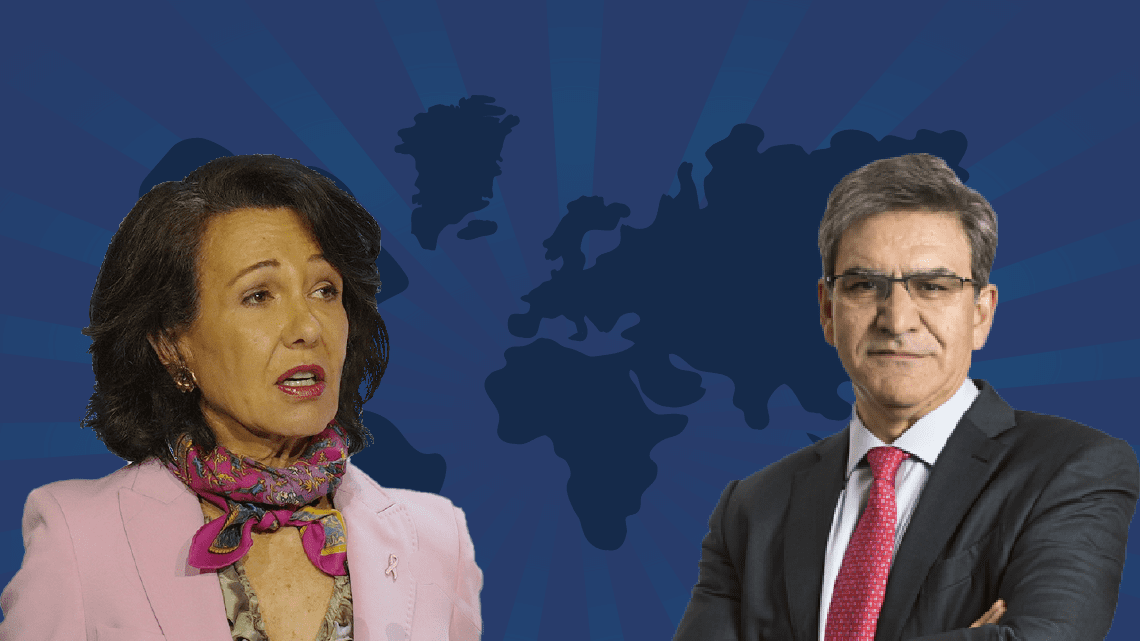
In addition to leading their institutions to support customers and communities, some bank bosses are also taking pay cuts or making charitable donations to support the fight against the COVID-19


As real-time processing becomes the norm in domestic payments, how long would it take for cross-border payments to catch up?

Chatbots are another example of relatively low-cost advancements in artificial intelligence adoption within the banking industry. These computer programmes are designed to conduct live chats to resolve common queries and carry out specific tasks; and they are proving to be popular among customers.
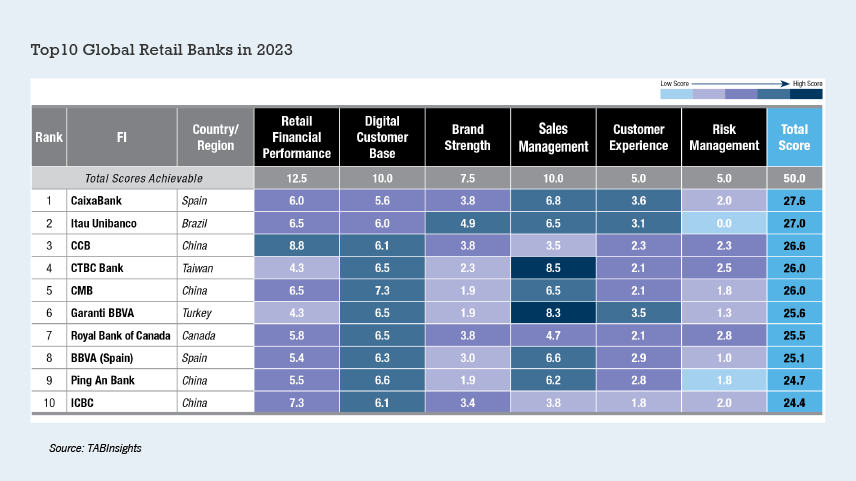
CaixaBank in Spain and South American bank Itau Unibanco topped this year’s inaugural Global Retail Bank Ranking
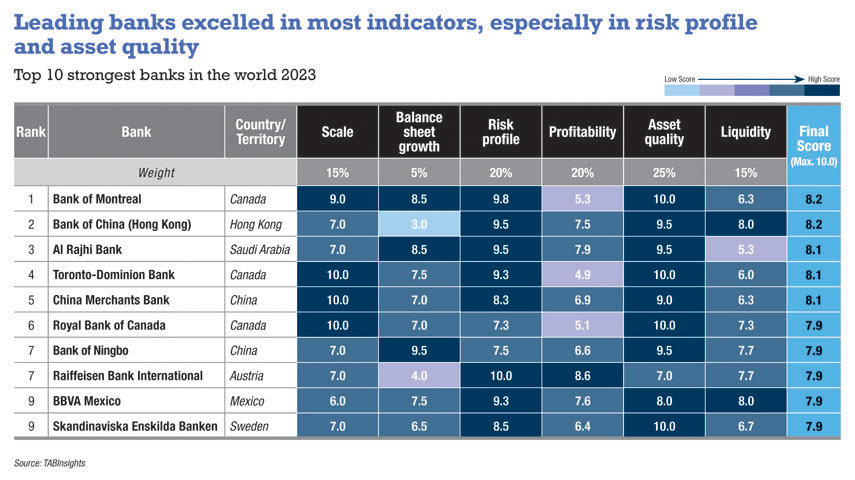
North America demonstrated the highest overall strength, followed by Asia Pacific and the Middle East, with all banks in the ranking averaging decline in return on assets from 0.76% to 0.74%, and improved gross non-performing loan ratio from 1.8% to 1.65%
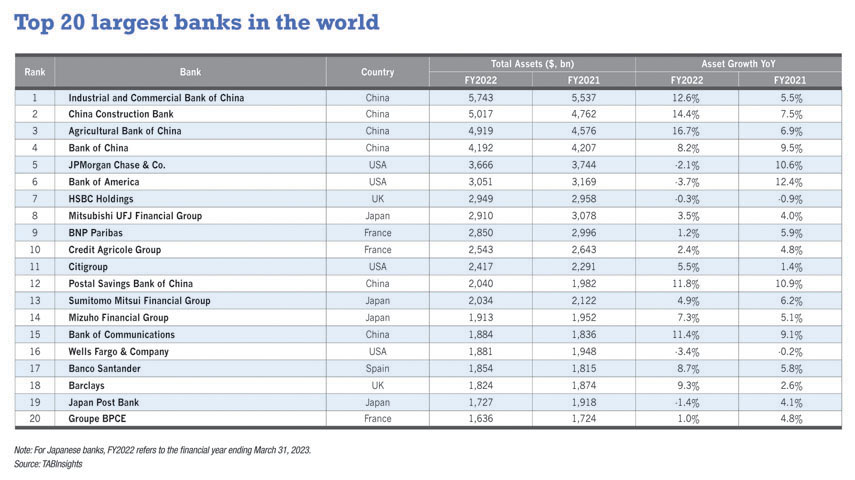
Thirty-seven banks held assets surpassing $1 trillion, distributed among 16 in Asia Pacific, 13 in Europe, and eight in North America, representing 51% of the top 1000 banks’ total assets; overall asset growth has decelerated, with the US and some European nations experiencing steep declines and countries like Egypt demonstrating resilience
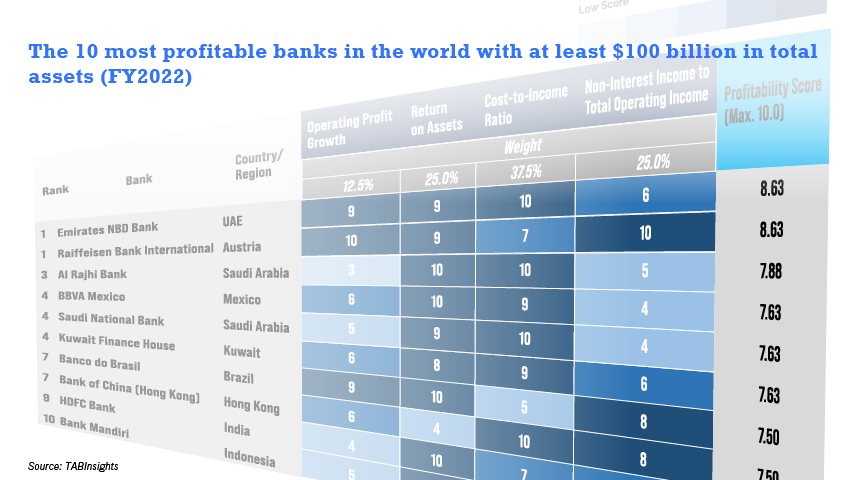
The world’s top 10 most profitable banks with assets over $100 billion include four from the Middle East, three from Asia, two from the Americas, and one from Europe
Bold leadership and record-breaking deals have redefined the global banking landscape over the past decade. The top 10 CEO-led mergers highlight how strategic vision and timing continue to drive competitiveness across North America, Europe and beyond.
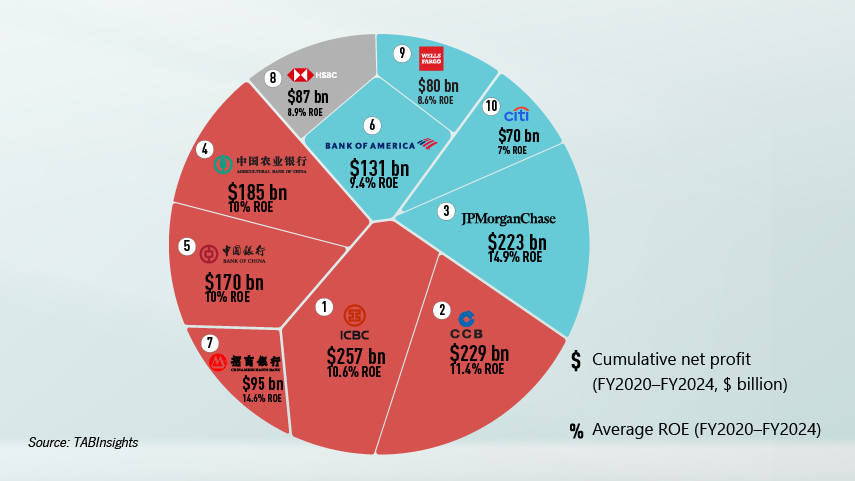
Chinese and US megabanks generate the largest absolute profits through scale and diversification, while emerging-market banks deliver higher — but more volatile — returns on equity.
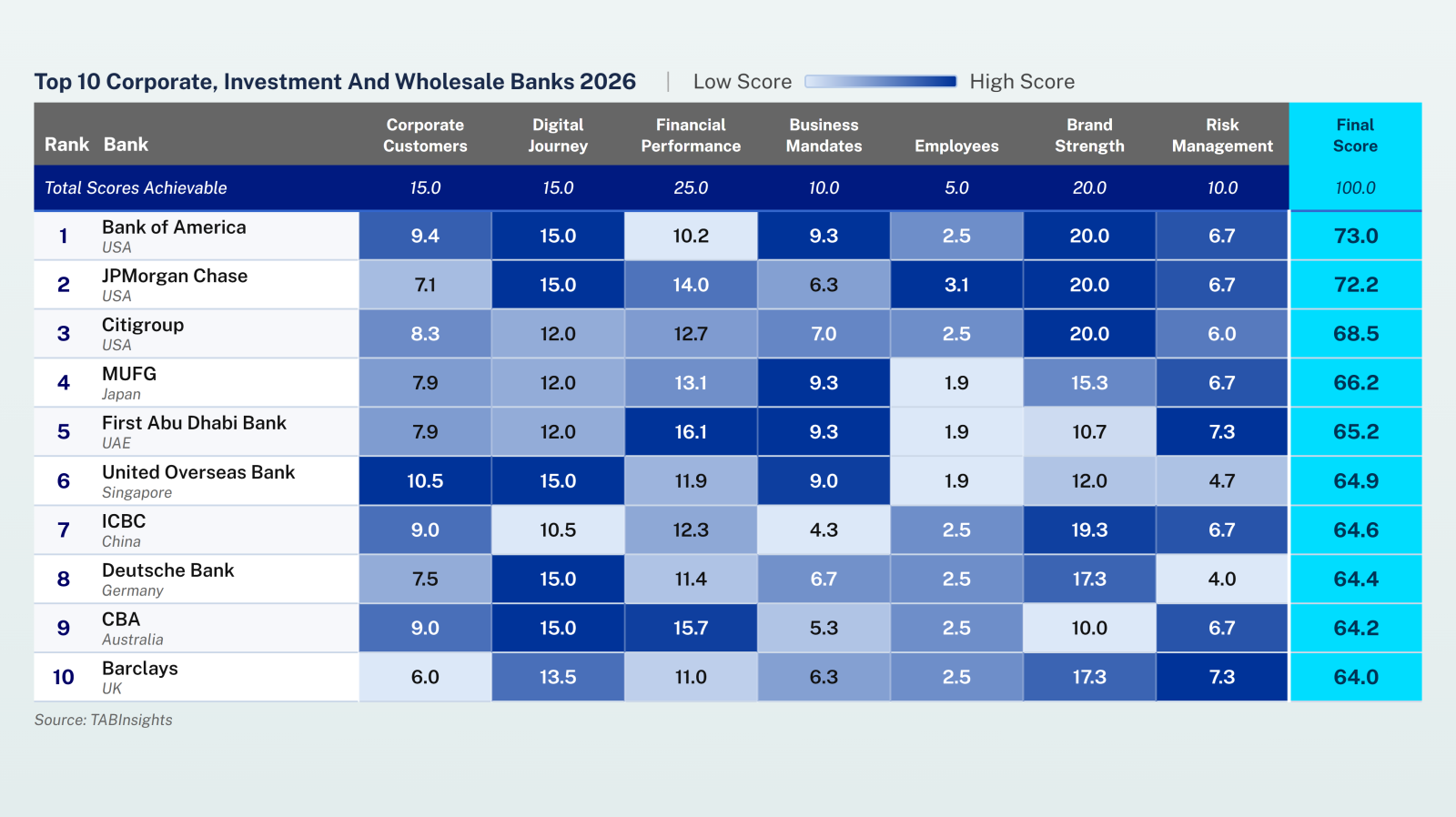
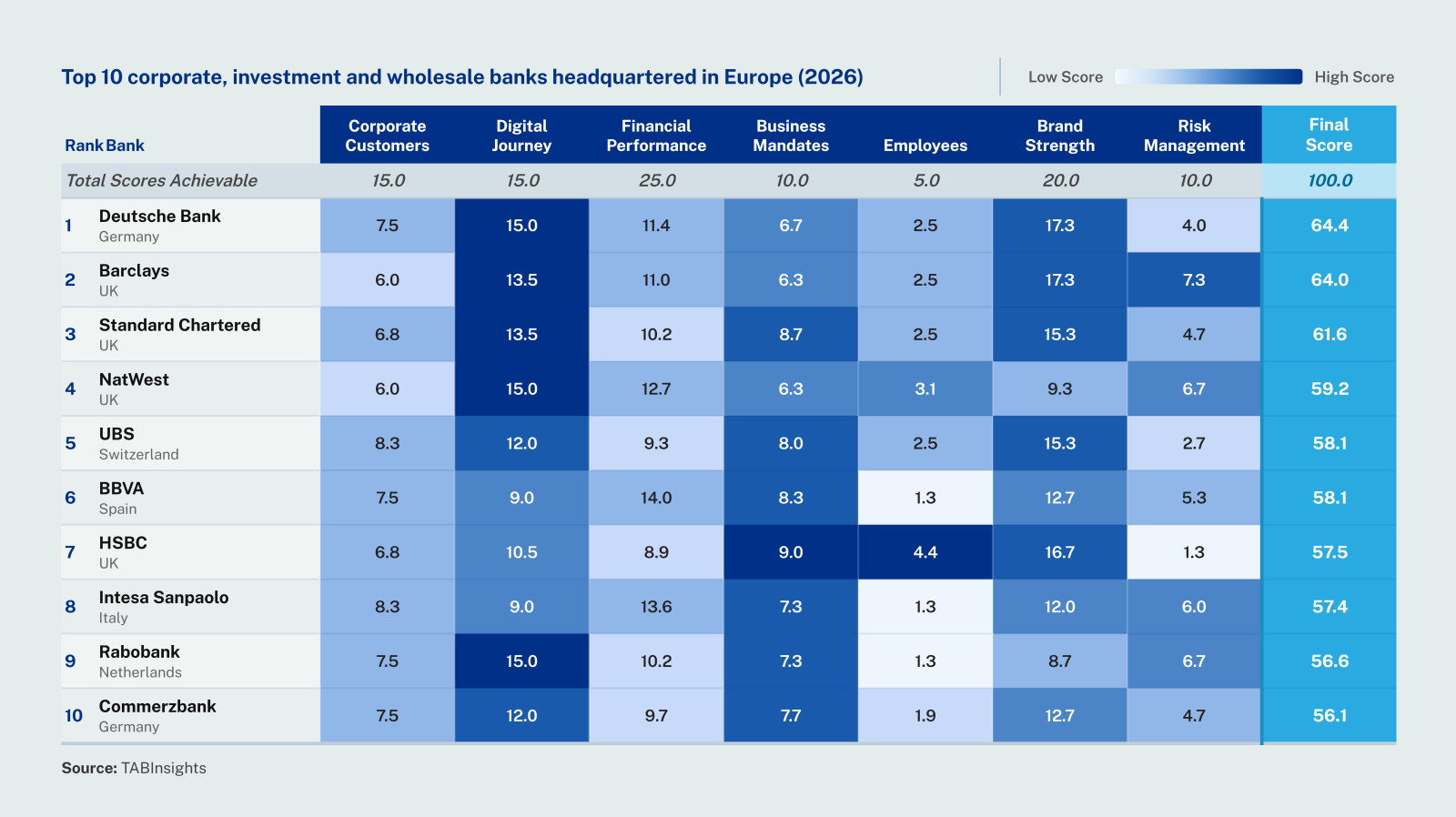
Global CIW banking has entered an execution phase, where rank movement is driven by improvement across multiple dimensions, while the efficiency gap between Middle Eastern and Western institutions widens
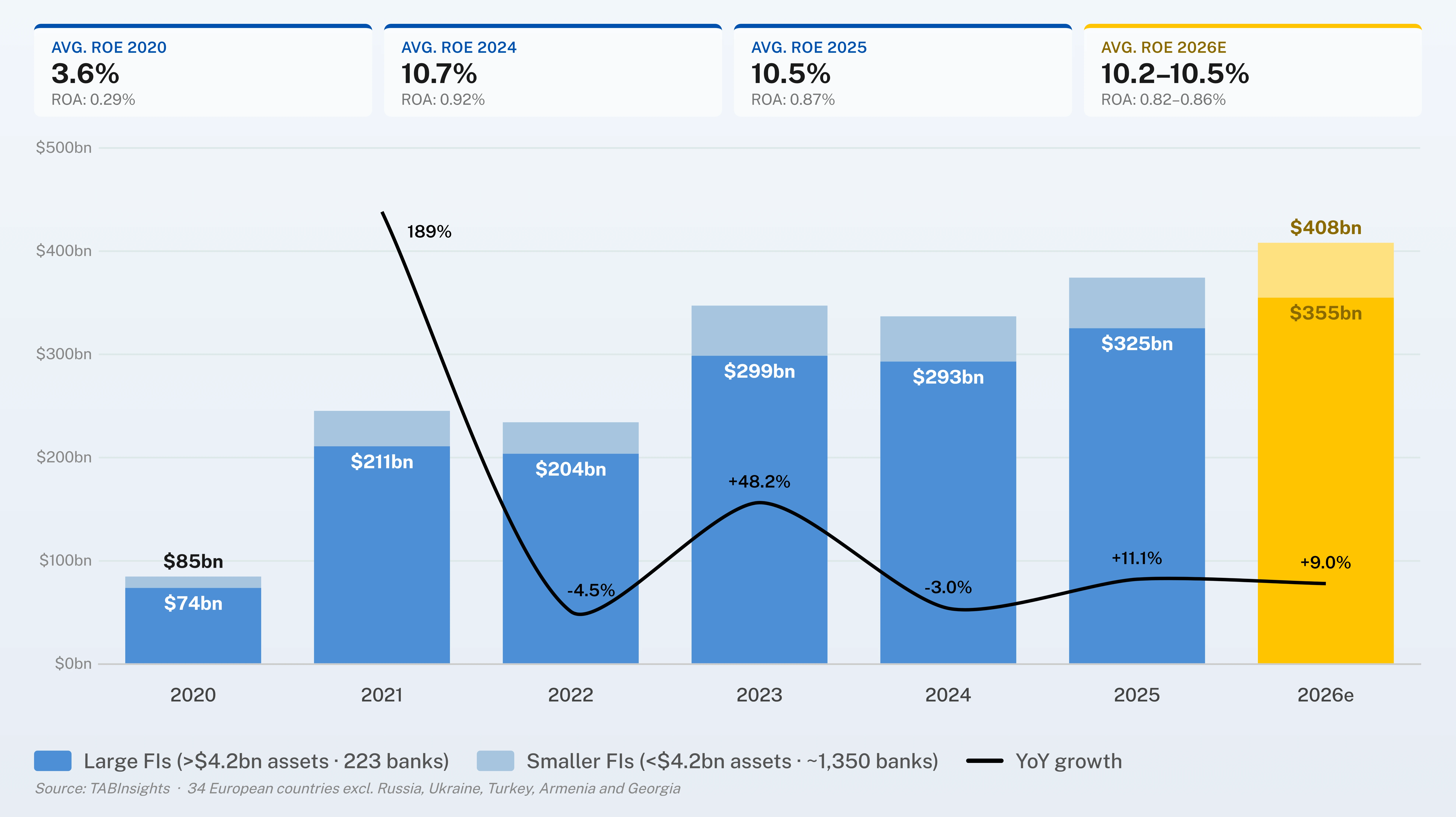
European banks across 34 markets saw net profit grow by a factor of 4.4 between FY2020 and FY2025, driven by post-pandemic recovery and the European Central Bank’s (ECB’s) most aggressive rate-hike cycle in a generation between 2022 and 2023. As these growth tailwinds ease and the International Monetary Fund (IMF) and ECB revise Euro area real GDP growth to between 0.9 and 1.1% in 2026, banks that built structural capacity during the windfall years now demonstrate more stable earnings, with banks in Belgium, Eastern Europe and the Nordics emerging as structural leaders.